
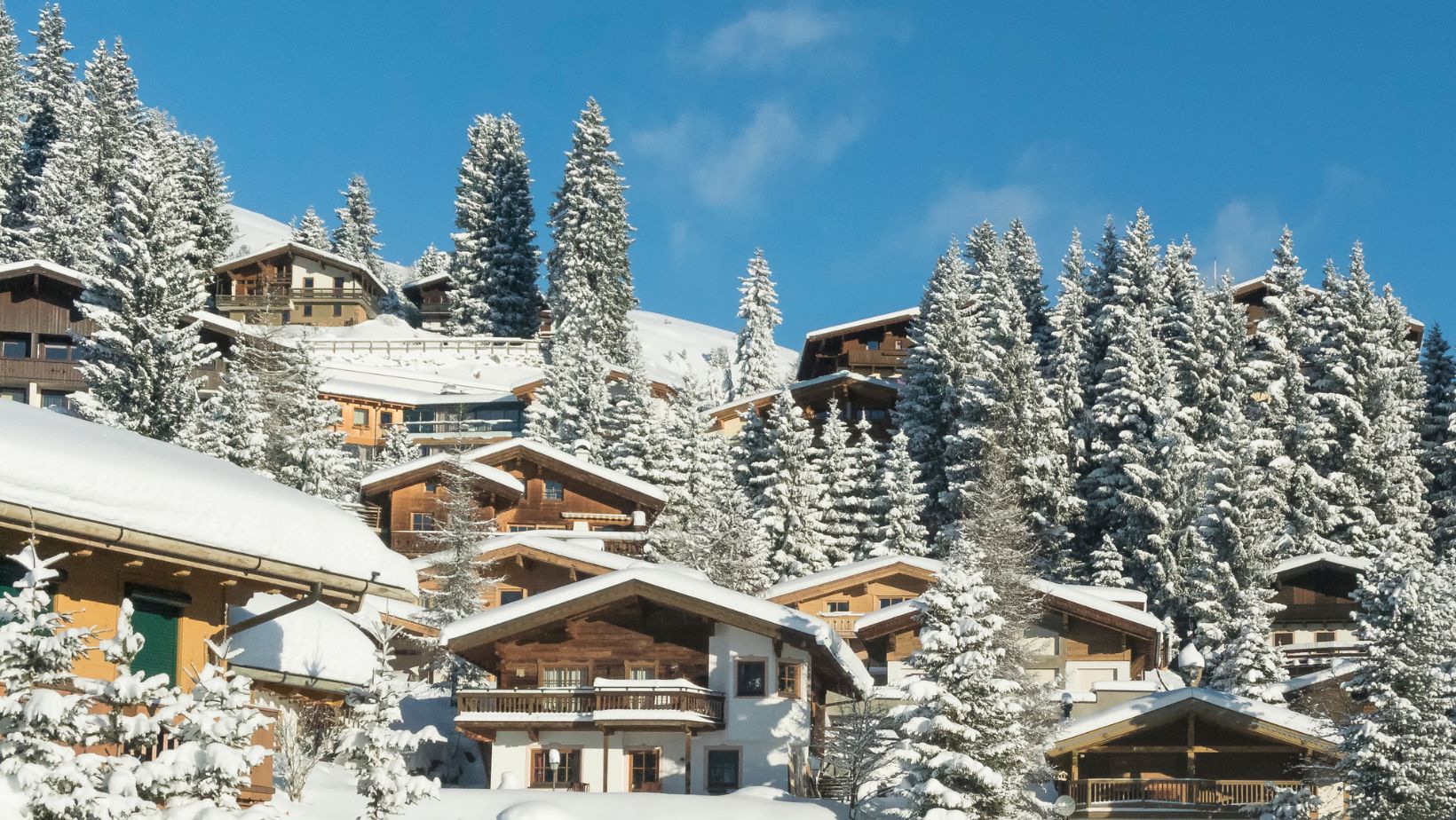
Traveling between Alpine resorts is one of the best ways to appreciate the diverse characteristics of Europe’s most famous mountain range. From the towering peaks of France to Switzerland’s pristine precision, from the cozy charms of Austria to the intimate and familiar welcomes of Italy, each region has its own vibe, food, and landscape. However, traveling between resorts – especially in winter – can become costly if you’re not careful. Luckily, without jeopardizing comfort, time or ease of travel and enjoyment, there’s a traveler-friendly approach to moving between these destinations that keeps finances in check and ensures the journey goes smoothly. This article highlights an easy yet responsible way to travel between various Alpine destinations without breaking the bank or extending your travels unnecessarily.
Geography of the Alps to Minimize Travel Hassles
The Alps are located in eight different countries and knowing the geography minimizes excessive travel back-and-forth, detours or expensive means of transportation. Getting to Aspen from Denver provides a similar example in the Rockies understanding regional geography helps travelers choose the most efficient routes and avoid unnecessary complications. For instance, resorts that seem close to one another are actually across two mountain passes and two hours apart instead of the twenty minutes one might expect. However, if you’re aware of geography and your routes ahead of time, you can select resorts that are not only close enough in distance but also along the same valley/section; for example, in France, these would be Morzine and Avoriaz; in Switzerland, these would be Zermatt and Saas-Fee; many in the Dolomites are connected via lifts or bus routes as well. Thus, taking time to research beforehand saves inflated transportation costs and avoids weary travelers who are frustrated trying to get from one place to another. In the Alps, you can turn a cumbersome situation into a very convenient one by finding the easiest route before you go and making travel easier!
Trains Across the Alps Are Comfortable and Economical for Travelers
Train travel is one of the most comfortable options for traversing between different Alps resorts which is both convenient and cost-effective. With some of the best rail systems across Europe, Switzerland, Austria, France and Italy all boast reliable options via scenic routes that run through mountain valleys, town centers and ski hub resorts in their respective country. For instance, the trains in Switzerland are almost always on time, panoramic (which makes sense since many of the routes themselves almost feel like a sight-seeing trip!). A major way to cut expenses is by booking early or utilizing rail passes – and this is especially true for those with multiple destinations. But for those who do not feel comfortable traveling in snowy or icy conditions during winter months, these heated vehicles with overhead compartments and access to slopes/amenities make it worth for travelers to sit back and relax while someone else takes the wheel. To find comfort, scenery and affordability, it makes sense to explore train options in-between destinations in the Alps before spending a lot on travel accommodations before getting to one’s resort!
Buses Are Affordable Alternatives for Nearby Resorts
For resorts that are connected by region, bus travel is an inexpensive option across the board. There’s no need to pay for private transfers from one resort to another when local buses run all the time – and especially during winter months – which can connect neighboring ski areas at a fraction of the cost. These buses are often clean, heated and run in concert with ski/resort schedules so people do not wait long after getting off lifts. For example, you can take a bus from Chamonix to Les Houches (same valley) or connect from Zell am See to Kaprun (or vice versa) without breaking the bank – similar options exist in Dolomiti Superski among its multiple resorts. There’s no need for private transportation for day trips or small hops from one locale to another if travelers want to experience different destinations but have an easy time along the journey.
Shared Transfers: Affordable and Comfortable Options for Travel
For those in between luxury and budget, shared transfers provide the ultimate means of travel – especially over longer distances when a train is not an option. Shared transfers essentially are like minivans picking up and dropping off many travelers who are headed in the same direction; this means that costs are lower across the board as they fill less than a whole vehicle. However, it’s still a door-to-door service as it drops off many travelers at their accommodations throughout the Alps. Shared Transfers run all year round, every day, from all major airports (Geneva, Zurich, Munich, Innsbruck and Turin) to multiple resorts around the area. While they may take longer because drop off happens en route, it’s relatively stress-free and comfortable either way. Therefore, for those who are comfortable enough to travel but are on a budget, shared transfers work for anyone in between looking for quality transportation between resorts.
Travel Costs Before Peak Times to Relieve Financial Burden Amidst Elevated Prices
Trains, buses and transfers get exponentially more expensive during peak winter weekends and holidays. Therefore, the more one books sooner rather than later – sometimes weeks or months in advance – the better chance they have of not only reserving lower fares but also guaranteed paths at desired times for those most frequently travelled. The same applies to passes and resorts (as resorts have ski buses that travel between them) and shuttles. The sooner booked, the less likely higher fare increases, sold out times, and inconvenient accommodations will occur. For anyone travelling on a budget, this is the best way to secure transportation without sacrificing too much comfort or flexibility.
When to Rent A Car for Additional (Expensive) Comfort
Car rentals are not the cheapest option in high season. However, if planned in advance, it can provide ultimate flexibility for attempting to get between resorts that lack any viable options via public transportation. Rentals can be expensive if alone; however, if a rental is shared among families or groups travelling with much equipment, it makes more sense to rent a larger vehicle than pay multiple fares for multiple smaller vehicles over several days. It’s easy to get to more remote resorts accessible only via bus or train – or none at all. You can stop at other destinations along the way to explore more beyond what’s anticipated. You can take scenic routes if the weather cooperates. However, be cautious in winter – snow tires or chains may need to be affixed to the vehicle; specialized insurance may need to be acquired for mountain driving. However, when determined in advance, renting vehicles provide additional comfort and freedom without breaking the bank.
Using a Multi Resort Ski Pass to Save Time and Money
In certain regions of the Alps, multi-resort ski passes exist that include lifts and means of transport between interconnected resorts/areas. The Three Valleys, Portes du Soleil, Dolomiti Superski and the region of Arlberg are so connected that one can literally ski from resort to resort without paying for another ticket, let alone transfer. This essentially means that while skiing on massive slopes, you avoid having to pay, potentially, for a transfer or transport tickets in the first place. When slopes are of such a nature that they’re connected by lines, it’s as if your travel is part of your skiing day. This means such travel is cheaper, does not take as much time, in addition to maximizing the time you would be spending on the slopes.
Travel When It’s Not Peak Time for Fast Transfers That’s Cheaper
Traffic on mountain roads is known to be the worst during winter weekends, holiday weeks and Saturday afternoons when changeover days are in place. Travel during these times is notoriously bad and expensive. In addition, travel mid-week and at off peak times early in the morning has better travel times with cheaper prices. This coincides with air travel – coming into town off-peak with air travel helps facilitate good mountain and airport access – and when your plane lands you have the potential to avoid crowds and lines. Therefore, the best means of ensuring any transfer is inexpensive is to not need one at all – or at least mitigate assumptions about overcrowded travel patterns that make any transfer more expensive.
Packing Light to Make It Easier (and Cheaper) to Travel Between Resorts
If one plans on traveling between resorts, it’s easier to pack light. If one has a giant suitcase filled with things, huge ski bag and awkward mixed bag of necessities for different returns, one will be stressed getting on and off possible buses, trains – if they’re even not paying more for private transport (which is even more expensive). The less one has, the easier it will be to navigate public transportation without accruing costs associated with private transfer services. In addition, it’s better to pack light anyway – renting skis/poles/boots is one thing but buying gear that takes up space doesn’t make sense; therefore, one should return everything but what’s necessary before traveling to the next resort. This may be inconvenient in the moment but it’s a better money saver overall if transitions from resort to resort are kept simple.
The Best Way to Travel Between Alpine Resorts With Comfort and Budget in Mind
The best way to travel between alpine resorts depends on one’s preference of travel. For example, the best way to travel if comfort is the highest priority next to efficiency and personal service would be a private option. However, for the budget-conscious traveler, shared transfers, trains and regional bus access will do the trick. Yet some travelers may opt one option for it all. In addition, those who like a geographical separation may take the train for longer stretches between resorts and a bus to connect to a train station, then a private transfer for shorter accommodations where time is better spent doing so. Therefore, when it’s all said and done and the travel costs come out drastically reduced from what one would have assumed – of course, at one’s comfort – it’s all the more lovely to enjoy the beautiful resources of the Alps along the way.
The Best Time to Travel Between Resorts to Ensure Comfort Without Added Expense
The best way to travel between alpine resorts for comfort without additional expense occurs during off-season travel times. In general, any way to travel midweek or in lesser traveled seasons means that one can travel at any time without a booked train or overcrowded vehicle for less of a fee. For example, going on a Tuesday instead of a Saturday is cheaper and has less options for availability; same with a Thursday, or even a Wednesday instead of a Friday when people are traveling back from vacations for weekend obligations. Midweek is not as crowded at resorts nor is transportation more abundant and those transporting one’s experience (train conductor, bus driver) is friendlier as companies seek to fill less-than-full trains/buses. Better to avoid busy terminals and uncomfortable experiences due to delays. For those with flexibility in regards to how they will travel, any time that excludes weekends or holiday outings can save them money and comfort in getting around the Alps much easier.
Comfortable Travel With Regional Passes That Include Public Transport For Free or Discounted Rates
It’s important to note that many of these alpine towns have tourist cards available which provide free or incredibly discounted access to local buses, trams, funiculars and even some trains. They are sometimes automatically received through one’s lodging and are a great way to get around nearby resorts or areas without worrying about additional costs. There are generous avenues for transport through both regions – Valais and Tyrol (both) and South Tyrol – where comfortable travel is appreciated without worrying about single tickets. Furthermore, sometimes even lifts that are accessible by foot are free for the pedestrian enjoying the views. This is pertinent information for comfortable effective travel because knowing one has potential avenues that are free or heavily discounted prevents one from passing by a ticket booth without knowing there would be an additional charge for what could have been free.